Garden Fairy Embroidery Design Review
If you have spent any time walking through weekend craft fairs or scrolling through Etsy to see what moves off the shelves, you know that visual appeal is everything. As an embroidery designer who has turned countless digital files into physical products for handmade markets, I look at a design like Garden Fairy and immediately think about how it will perform under bright tent lights, how it feels in a customer’s hands, and whether it justifies a premium price point. This review breaks down why this whimsical fairy tale motif is a strong contender for your next batch of craft fair products and what practical considerations you need to manage before you hit the "start" button on your machine.
The First Impression: Whimsy Meets Marketability
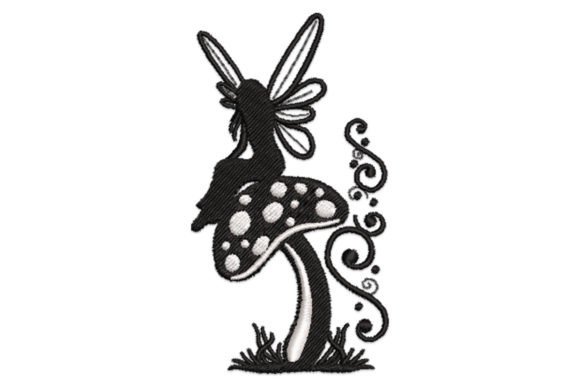
The description of Garden Fairy as a "whimsical and enchanting representation of a fairy in a garden setting" tells me exactly where this design fits in the current handmade landscape. We are seeing a massive shift away from overly complex, cluttered patterns toward designs that offer a moment of magic and softness. This isn't just a generic flower; it is a narrative piece. For the modern buyer—whether they are looking for a gift for a child, a unique accent for their home, or a piece of wearable art—the story behind the image matters.
From a branding perspective, Garden Fairy hits that sweet spot between rustic charm and elegant fantasy. It is not so bold that it overwhelms a small tote bag, nor is it so minimal that it gets lost on a busy kitchen towel. It feels premium. When customers pick up a product with this design, they perceive higher value because the subject matter suggests care, detail, and a touch of the ethereal. It stands out against the sea of geometric shapes and minimalist quotes often found at local markets.
Product Versatility: Where Garden Fairy Shines
One of the most critical factors for a successful crafter fair product is versatility. You want a single embroidery file that can be applied to multiple items without losing its impact. Here is how Garden Fairy translates across different mediums:
- Tote Bags and Market Bags: This is perhaps the strongest application. A tote bag design featuring a delicate fairy creates an instant conversation starter. The whimsical nature of the fairy contrasts beautifully with the utilitarian canvas of a tote, making the bag feel special rather than just functional. It photographs exceptionally well for online listings, drawing eyes to the intricate details of the wings or floral elements.
- Aprons and Tea Towels: For the home decor crowd, this design works wonderfully as a focal point on a linen apron or a cotton tea towel. The "garden" theme aligns perfectly with farmhouse and cottagecore aesthetics that dominate handmade kitchens. However, you must consider the fabric texture here; ensure your thread colors pop against the weave of the towel.
- Embroidered Patches and Caps: If the design allows for clean edges, it can be converted into a high-quality embroidered patch. These are impulse buys at craft fairs. Alternatively, placing a scaled-down version on the front of a baseball cap adds a playful touch that appeals to younger demographics or those who love fantasy literature.
- Pillow Covers and Small Pouches: For larger items like pillow covers, the design can be expanded to fill more space, creating a lush, immersive look. Conversely, on small zippered pouches used for makeup or knitting supplies, the fairy becomes a charming, compact accent that feels luxurious.
Visual Appeal and Customer Attention
In a booth setting, you have about three seconds to grab a passerby's attention. Garden Fairy succeeds here because it offers visual depth. Unlike flat graphic prints, embroidery has texture. The light catches the threads, especially if you use metallic or variegated threads for the fairy’s wings. This tactile quality invites customers to lean in closer. When they touch the fabric, they feel the craftsmanship, which reinforces the idea that this is a handmade product worth supporting. It elevates the perceived quality of your entire booth display, signaling that you pay attention to detail.
Practical Production and Selling Points
As a designer, I don’t just look at how pretty a design is; I look at how easy it is to produce efficiently. Batch production is key to profitability at craft fairs. Garden Fairy appears to be a balanced design that likely stitches up in a reasonable amount of time, allowing you to turn out enough inventory to meet demand without burning out your machines.
When preparing your Etsy listings or digital assets, the versatility of this design allows you to create multiple mockups. You can show the same fairy on a blue tote, a white apron, and a beige pillow cover, demonstrating to buyers that the design adapts to various styles. This increases the likelihood of a sale because the customer can visualize the item in their own home or lifestyle. Furthermore, the enchanting theme makes it an excellent gift item, expanding your potential market beyond just personal use to holiday gifts, birthdays, and baby showers.
Technical Considerations for Best Results
To ensure Garden Fairy looks its best, you must address several technical aspects before committing to full production. Embroidery is unforgiving when it comes to scale and material choice.
- Stitch Density and Clarity: Examine the design closely. Are there areas where the stitch density is too high? Dense areas can pucker thin fabrics or cause needle breakage. Conversely, tiny details might get lost if you try to digitize this as a very small accent. Ensure the smallest elements remain distinct after stitching.
- Hoop Size and Spacing: Confirm the required hoop size for the design. If the design is large, you may need a bigger hoop, which limits the types of garments you can embroider (e.g., you cannot fit a large design on the sleeve of a shirt). Plan your layout carefully to maximize fabric usage.
- Thread Contrast: The magic of a fairy design often lies in the contrast between the figure and the background. Test your thread colors on scrap fabric. Light fairy tones on a light fabric will disappear, while dark outlines on dark fabric may lack definition. Use stabilizer effectively to prevent shifting, especially on textured towels or stretchy cap materials.
- Fabric Texture: Avoid heavily textured fabrics like thick waffle-weave towels unless the design is simple. The texture can interfere with the smoothness of the embroidery, causing the fairy’s features to look distorted. Stick to smooth cottons, linens, or blends for the cleanest finish.
Final Verdict for Craft Fair Sellers
Garden Fairy is more than just a cute image; it is a strategic asset for your handmade business. It combines emotional appeal with broad product applicability. By treating it as a premium commercial embroidery piece, you can command better prices and build a brand identity rooted in whimsy and quality. Remember to check the specific digital embroidery file specifications, such as exact stitch counts and commercial licensing terms, to ensure you are fully compliant and prepared. Once you test it on your chosen substrates and refine your thread choices, Garden Fairy has the potential to become a bestseller at your next craft fair, drawing crowds and filling orders.