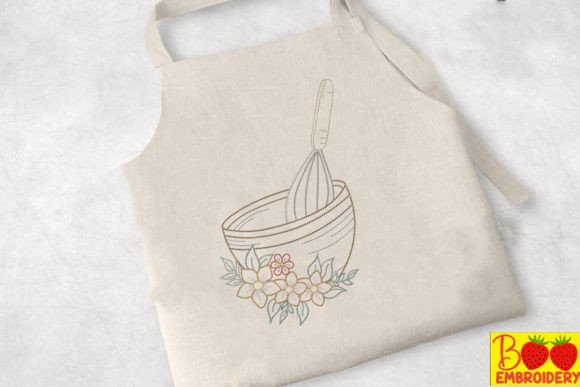
Floral Kitchen Utensils Embroidery Review
As an embroidery designer who spends weekends hunched over my machine and Sundays setting up booths at local craft fairs, I have learned one hard truth: a design must sell itself in three seconds. When browsing digital assets or evaluating new files for my shop, I am not just looking for something "cute." I am looking for a craft fair product that translates beautifully from a screen to a physical item, withstands the wear of daily use, and captures the eye of a passerby walking by a crowded booth. Today, I am reviewing the Floral Kitchen Utensils design. This file promises to be an adorable addition to the kitchen category, but does it hold up under professional scrutiny? Let us dig into the details, from first impressions to production practicality.
First Impressions: The Vibe of Floral Kitchen Utensils
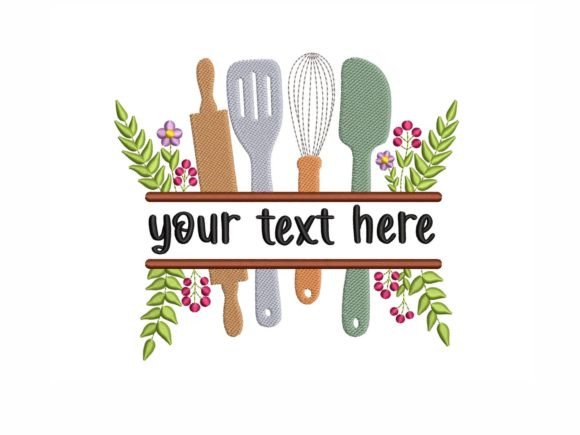
The title Floral Kitchen Utensils immediately suggests a blend of two powerful aesthetics: rustic charm and domestic utility. In the world of handmade goods, this combination is gold. It feels both farmhouse and elegant, avoiding the trap of being too childish or too sterile. For an Etsy seller or boutique maker, this duality is crucial because it appeals to a broad demographic—from young couples furnishing their first home to seasoned cooks who appreciate decorative accents.
Visually, I expect this embroidery file to feature soft, organic lines contrasting with the structured shapes of kitchen tools. The floral elements likely provide a sense of freshness and warmth, while the utensils ground the design in reality. It is not merely decorative; it celebrates the act of cooking. This narrative strength is what turns a simple towel into a giftable item. When customers see this on a table display, they do not just see thread on fabric; they see a lifestyle. That emotional connection is what drives impulse buys at weekend markets.
Product Versatility: Where Does It Shine?
The description notes that this design works on shirts, aprons, hats, canvas, towels, and more. But as a producer, I know that not all applications are created equal. Here is how Floral Kitchen Utensils performs across key handmade product categories:
- Apron Embroidery: This is the hero product. An apron provides a large, flat canvas where the full detail of the floral arrangement can breathe. Placing the design on the bib or lower pocket area creates a focal point that is visible when worn. It elevates a basic cotton apron into a premium commercial embroidery item.
- Tea Towel Embroidery: A close second. The texture of linen or cotton tea towels complements the organic feel of flowers. However, you must be careful with placement. Centering the design ensures it remains legible even when folded on a shelf. This is a high-volume, lower-price-point item that drives foot traffic to your booth.
- Tote Bag Design: Using this on a canvas tote bag taps into the eco-friendly and reusable market. The contrast between the sturdy canvas and the delicate floral stitches adds a tactile element that shoppers love. It serves as excellent advertising for your brand when carried around town.
- Embroidered Patch: Converting this design into a patch allows for incredible versatility. You can attach these patches to denim jackets, backpacks, or other plain items. Patches are low-risk, high-margin items that are easy to produce in batches.
- Caps and Hats: While possible, curved surfaces present challenges. The utensil shapes might distort if the hoop tension is not perfect. I recommend using this primarily on flat-brimmed caps or structured baseball caps where the canvas is taut.
Production Realities: What the Designer Needs to Know
Before you commit to bulk production, you must address the technical aspects. A pretty design can fail if the execution is flawed. Here are the critical factors to evaluate with Floral Kitchen Utensils:
Stitch Density and Detail
Kitchen utensils often involve thin handles and small connecting parts. If the stitch density is too high, the fabric may pucker, especially on lightweight tea towels. Conversely, if the density is too low, the tiny details of the flowers may disappear. You need to inspect the embroidery file closely. Look for areas where satin stitches might be too narrow to hold their shape. If the design includes tiny lettering or fine stems, test it at various scales. Often, what looks good on a monitor becomes muddy when stitched at 4 inches wide.
Fabric Texture and Thread Contrast
The success of this design hinges on thread colors. Because the background is likely white or light-colored (for towels and aprons), dark or vibrant thread colors will make the design pop. However, if you plan to embroider on darker fabrics, you will need a cut-away stabilizer and possibly a backing layer to prevent show-through. Always test on scrap fabric that matches your final product’s fabric texture. Terry cloth towels, for instance, can hide stitches differently than smooth percale cotton.
Hoop Size and Placement
Confirm the recommended hoop size before starting. If the design requires a large hoop, you limit the types of products you can make. Smaller hoops allow for more creative placements, such as corner accents on pillow covers or small pouches. Ensure your machine can handle the maximum dimensions without frequent re-hooping, which can misalign the design.
Selling Strategy: From Booth to Online Listing
How does this design help you sell? Visual appeal is paramount. Floral Kitchen Utensils photographs exceptionally well because it combines natural elements with household items. When creating a printable mockup for your Etsy listing, use natural lighting and include props like fresh flowers or wooden spoons to reinforce the theme. This helps the buyer visualize the item in their own home.
For your physical booth, create a cohesive display. Group aprons, towels, and tote bags together under a sign that highlights the "Farmhouse Kitchen" aesthetic. Use the design assets to create consistent branding across tags and packaging. Consistency builds trust and makes your booth look professional rather than cluttered.
Consider the finished product value. By adding this embroidery, you transform a $5 wholesale apron into a $25 retail item. The perceived value comes from the craftsmanship and the unique design. Customers are willing to pay a premium for handmade items that feel personal and artistic.
Final Verdict and Next Steps
The Floral Kitchen Utensils design has strong potential for small shop product lines. It hits the sweet spot of being functional yet decorative, appealing to a wide range of buyers. However, its success depends entirely on your production quality.
Before launching, take these steps:
- Test Thoroughly: Stitch the design on at least three different fabrics (cotton, linen, canvas) to check for puckering and clarity.
- Check Licensing: Confirm commercial licensing terms. Ensure you are allowed to sell finished goods made from this digital embroidery file.
- Create Mockups: Develop high-quality images for online listings. Show the design in use, not just flat-laid.
- Batch Produce: Start with a small run of best-sellers (aprons and towels) to gauge demand before scaling up.
If you execute this with care, paying attention to thread colors and stabilizer choice, Floral Kitchen Utensils will be a standout item in your collection. It is not just an embroidery pattern; it is a tool for building a profitable, beautiful handmade business.