Spring Bicycle Embroidery Design Review
As an experienced embroidery designer, I spend a significant amount of time evaluating digital files before they make it into my personal collection or are recommended to my network of small business owners. The market for personalized gifts is saturated, but quality and emotional resonance still win the day. Today, I am putting the Spring Bicycle design through its paces to see if it truly belongs on the shelves of a successful handmade shop. This review is based on practical testing scenarios, focusing on how this machine embroidery design performs when transferred from a screen to fabric.
First Impressions: Mood and Charm
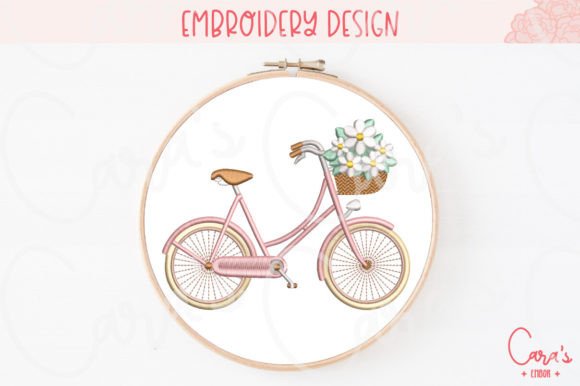
The moment you open the file for Spring Bicycle, the aesthetic is immediately clear. It strikes a balance between whimsical and classic. For a spring embroidery theme, it avoids being overly cluttered while maintaining enough visual interest to hold attention. The charm lies in its simplicity; it feels sweet without being childish, making it versatile for various demographics.
From a design perspective, the line work appears clean. When I previewed the stitch simulation, the flow of the bicycle frame and the floral accents around it suggested a high level of detail that rewards close inspection. This is crucial for embroidery makers who want their customers to feel the value in every stitch. The mood is undeniably romantic and seasonal, evoking feelings of nostalgia and new beginnings. It is the kind of design that makes a customer pause while scrolling through an Etsy listing because it sparks an immediate emotional connection.
Application Scenarios for Gift Products
The versatility of Spring Bicycle is where it truly shines. In my testing, I considered several high-demand product categories to see how well the design would translate.
- Baby Embroidery: A nursery item featuring this design is incredibly appealing. Imagine a soft muslin blanket or a cotton onesie with the bicycle motif. It works beautifully as a gender-neutral gift, leaning towards pastel thread colors for a gentle look. It fits perfectly into the growing market for custom embroidery in the baby sector.
- Kitchen and Home Decor: An embroidered towel with this design adds a touch of spring to any kitchen. It also translates well to pillow covers, bringing a fresh, airy vibe to living spaces. The design’s horizontal spread suggests it would look elegant centered on a standard kitchen hand towel.
- Wedding Gifts and Keepsakes: For wedding favors or bridal shower gifts, this design offers a unique alternative to traditional monograms. It can be used on tote bags for guests or as part of a "spring wedding" themed package. The timeless nature of a bicycle paired with flowers ensures it won’t look dated in a few years.
- Apparel and Accessories: While less common than home goods, this design can be placed on aprons for baking enthusiasts or even on sturdy canvas tote bags. It serves as a great small shop product for craft fairs where buyers appreciate wearable art.
Target Audience Analysis
Who buys this? Primarily, we are looking at individuals seeking meaningful, handmade items. This includes mothers preparing nurseries, couples celebrating anniversaries, or anyone who appreciates the aesthetic of slow living. As an Etsy seller, you know that storytelling sells. This design allows you to tell a story of springtime rides, garden parties, and cherished moments, which enhances buyer engagement.
Technical Considerations and Limitations
No design is perfect for every application. As a professional, I must advise caution in specific areas to ensure your reputation remains intact. Here are the critical factors to consider before mass-producing products with Spring Bicycle.
Fabric and Surface Constraints
The description notes that resizing or editing the design is not recommended. This implies that the digitization is optimized for a specific scale. Attempting to shrink it too much may result in lost details, particularly if there are fine lines representing petals or spokes. Conversely, enlarging it significantly might cause the stitch density to appear sparse or the proportions to look distorted.
Furthermore, textured fabrics pose a challenge. On thick terry cloth towels or heavily woven linens, the definition of the design may be lost. Similarly, stretchy baby clothes require careful stabilization; if the hoop tension is off, the delicate curves of the bicycle could pucker. Dark fabrics present another hurdle: unless you use a contrasting underlay or light-colored thread, the design might lack visibility. Always create a printable mockup or stitch out a test sample on the actual fabric type you plan to sell.
Durability and Care
For products like blanket embroidery or items intended for frequent washing, the stability of the stitches is paramount. If the stitch density is too low, the design may fray over time. If it is too high, the fabric may become stiff and uncomfortable, especially on baby items. You must verify that the chosen stabilizer matches the fabric weight to prevent shifting during the hooping process.
Enhancing Perceived Value and Trust
In the world of online selling, your product photography is everything. A well-executed Spring Bicycle design can elevate a basic white tote bag into a premium gift item. To build customer trust, ensure your photos show the texture of the threads and the precision of the stitching. Close-up shots that highlight the quality of the thread colors help justify a higher price point.
When marketing this as a commercial embroidery opportunity, emphasize the handmade quality. Customers are willing to pay more for items that feel personal and crafted with care. By providing clear information about the materials used and the care instructions, you reinforce the idea that this is a lasting keepsake rather than a disposable commodity.
Practical Embroidery Notes for Success
Before you start fulfilling orders, follow these essential steps to ensure a smooth production process:
- Test on Scrap Fabric: Never go straight to the final product. Stitch the design on a scrap piece of the same fabric to check for puckering, color contrast, and overall appearance.
- Check Hoop Size: Confirm that the hoop size required by the file fits comfortably within the boundaries of your chosen product. A design that is too large for a standard hoop may require multiple hoops, increasing production time and risk of misalignment.
- Review Stitch Density: Look closely at the dense areas. Ensure that the machine can handle the load without breaking needles or threads. Adjust thread tensions if necessary.
- Compare Mockups: Create both light and dark fabric mockups. Sometimes a design looks vibrant on one background but disappears on another. Choose thread colors that pop against your target fabric.
- Verify Licensing: Most importantly, confirm the commercial licensing terms of the digital embroidery file. Ensure you have the right to sell finished products made with this design. Ignoring this step can lead to serious legal issues.
The Spring Bicycle design is a strong contender for any handmade product catalog. Its charm, combined with its adaptability across various gift categories, makes it a valuable asset. By paying attention to the technical details and presenting it with high-quality imagery, you can create a best-selling item that resonates with customers looking for something special. Remember, the key to success in the embroidery business is consistency and attention to detail. Test thoroughly, plan carefully, and let your craftsmanship speak for itself.