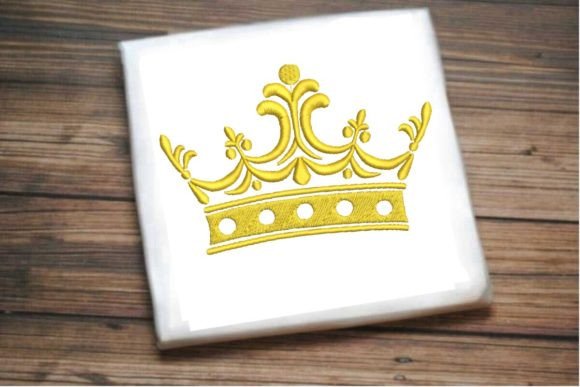
King s Emblematic Crown Review
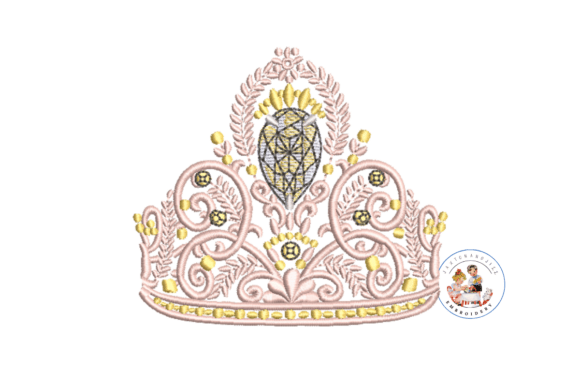
As an embroidery designer who has spent years turning digital files into tangible brand assets, I approach every new design with a specific lens. I am not just looking for something that looks pretty on a screen; I am evaluating its viability for small business merch, its durability in production, and its ability to elevate a brand’s visual identity. Today, I am reviewing the King s Emblematic Crown machine embroidery design. The description promises "the essence of power and authority" and describes it as a striking motif showcasing majestic sovereignty. For small business owners, Etsy sellers, and apparel decorators, these words suggest a design that is bold, premium, and authoritative. But does it hold up when stitched onto real-world products like aprons, caps, and tote bags? Let’s dive into a practical review.
First Impressions: Authority Meets Handmade Charm
The title alone sets a high bar. When you see "King s Emblematic Crown," you expect regal aesthetics. In the context of the "Fairy Tales" category, this design likely leans into classic, storybook elegance rather than modern minimalism. From a designer’s perspective, the first impression is one of strong character. It feels professional yet playful enough for a creative studio or boutique bakery. It strikes a balance between being decorative and being a solid logo element.
For brands that want to project confidence without appearing intimidating, this design offers a sophisticated middle ground. It suggests quality and tradition, which can significantly boost brand identity. If your business is built on craftsmanship—whether it’s handmade jewelry, artisanal coffee, or bespoke tailoring—a crown motif subtly communicates excellence and leadership. However, because it falls under "Fairy Tales," there is a risk it could appear too costume-like if not executed with high-quality thread colors and proper stitch density. The key lies in how it is applied to the final product.
Real-World Applications for Small Businesses
The true test of any embroidery file is its versatility across different merchandise types. Here is how the King s Emblematic Crown performs in common commercial applications:
- Embroidered Patches: This design shines as a detachable patch. For uniformed staff in a themed café or a boutique retail team, a crown patch adds a touch of prestige. It works well on denim jackets, canvas bags, or even as a badge on a name tag. The "striking motif" aspect ensures it remains legible even when viewed from a distance.
- Cap Embroidery: Caps are a staple in custom apparel. A crown centered on the front panel of a baseball cap or a structured trucker hat creates an instant focal point. It appeals to customers who appreciate a vintage or royal aesthetic. Just ensure the hoop size accommodates the curvature of the cap without distorting the symmetry of the crown.
- Apron Embroidery: For bakers, florists, or crafters, an apron is a walking billboard. Placing the crown near the pocket or center chest area elevates a standard work garment into a branded piece. It signals that the maker takes pride in their craft. The design’s boldness ensures it stands out against busy kitchen environments or workshop settings.
- Tote Bag Design: Canvas totes are essential for market stalls and online shops. A single, well-placed crown motif serves as a subtle but powerful brand mark. It is less overwhelming than a large graphic and pairs beautifully with simple text logos. It enhances the perceived value of the bag itself, making it a desirable giveaway or sale item.
- Product Packaging Accents: Beyond apparel, consider stitching this onto fabric gift tags, hang tags, or even small pouches included with purchases. It adds a tactile, luxurious feel to the unboxing experience, reinforcing customer trust and recognition.
Strategic Placement and Cautionary Notes
While the design is versatile, not every application is suitable. As a designer, I advise caution in the following scenarios to avoid compromising the finished product:
- Small Patch Sizes: If you plan to produce patches smaller than 2 inches, scrutinize the detail level. Fine lines in the crown’s arches may merge together, losing definition. Always create a printable mockup at actual size before committing to production.
- Tiny Lettering: If the design includes accompanying text, ensure the font size is large enough to be readable after stitching. Tiny text often becomes illegible, especially on textured fabrics.
- High Stitch Density Areas: Dense stitching can make fabric stiff and bulky. On lightweight shirts or delicate tote bags, this might cause puckering. Test on your actual fabric type to check for stability.
- Dark Uniforms and Textured Fabrics: On dark backgrounds, ensure sufficient thread contrast. On heavily textured fabrics like heavy wool or rough linen, the design may sink into the weave, obscuring details. A proper stabilizer is crucial here to maintain clarity.
- Frequent Washing: For items like work shirts or aprons that undergo frequent laundering, verify the durability of the threads. While cotton blends are generally durable, synthetic threads may offer better colorfastness for long-term use.
Impact on Brand Identity and Customer Engagement
Incorporating the King s Emblematic Crown into your design assets does more than decorate; it communicates. A crown symbolizes quality, leadership, and premium service. When customers see this motif on your merchandise, it subconsciously reinforces the idea that your brand is established and trustworthy. This visual consistency helps in building a memorable brand identity.
Furthermore, in the competitive world of Etsy and handmade markets, unique design elements help your products stand out. A crown motif is distinctive yet universally understood. It invites engagement, sparking conversations about the symbolism behind your choice. It transforms a simple commodity into a statement piece, increasing the likelihood of social media shares and word-of-mouth referrals.
Practical Designer Notes for Production
Before you upload this digital embroidery file to your machine for commercial projects, follow these essential steps:
- Test in Black and White: Convert the design to grayscale to check contrast and spacing. This reveals potential issues with detail overlap that color might hide.
- Review Thread Color Contrast: Choose thread colors that pop against your fabric. Avoid low-contrast combinations (e.g., light gold on cream) unless you are aiming for a subtle, tonal look.
- Inspect Spacing and Hoop Size: Ensure the design fits comfortably within your hoop without critical details touching the edges. Proper hooping prevents distortion.
- Use Proper Stabilizer: Select a stabilizer appropriate for your fabric weight. Tear-away for stable wovens, cut-away for knits and stretchy materials.
- Create a Mockup for Client Approval: If designing for clients, provide a realistic mockup showing the design on the actual product. This manages expectations and reduces revision rounds.
- Confirm Commercial Licensing: Most importantly, verify the licensing terms of the King s Emblematic Crown design. Ensure you have the right to use it for commercial resale, whether for physical goods or digital assets.
In conclusion, the King s Emblematic Crown is a strong candidate for businesses seeking to add a touch of regal professionalism to their merchandise. By carefully considering placement, fabric compatibility, and production techniques, you can leverage this design to enhance your brand’s value and connect more deeply with your audience. It is not just a decoration; it is a strategic tool for building a prestigious, handmade brand presence.