First National Bank of Dad Review
As an embroidery designer who spends countless hours testing digitizing files for various commercial applications, I approach every new design with a mix of creative excitement and technical skepticism. Recently, I had the opportunity to review a file titled First National Bank of Dad. While the title suggests a Father’s Day theme, my initial assessment focuses on its versatility as a personalized gift option for a broader range of recipients, including grandfathers, mentors, or even as a humorous addition to family heirlooms. This review is written from the perspective of someone preparing to add this design to their inventory of handmade products, ensuring it meets the high standards required by today’s discerning customers.
First Impressions: Mood and Emotional Appeal
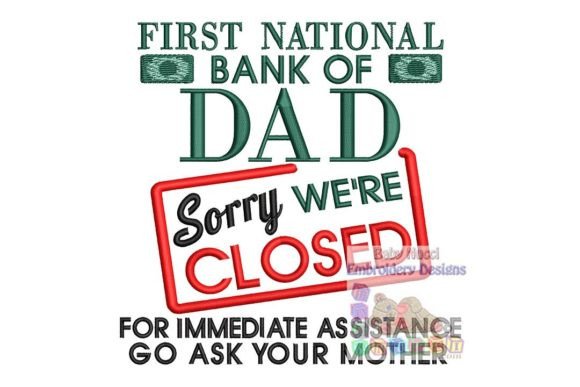
The first thing that strikes you about the First National Bank of Dad design is its playful yet classic aesthetic. It carries a mood that is both sweet and slightly nostalgic, evoking the feeling of old-fashioned banking ledgers mixed with modern sentimentality. For an embroidery file intended for mass production or small-batch sales, this balance is crucial. It does not feel overly trendy, which means it has longevity in a shop’s catalog.
The charm lies in its simplicity. The design relies on strong typography rather than intricate floral motifs, making it highly legible and visually striking. This makes it an excellent choice for custom embroidery projects where readability is key. Whether stitched onto a rugged canvas tote or a soft cotton apron, the text stands out clearly. The emotional appeal is rooted in humor and appreciation, traits that resonate deeply with buyers looking for unique, conversation-starting gifts. It feels handmade and thoughtful, avoiding the sterile look of some machine-made decorations.
Product Applications and Versatility
In my experience as an Etsy seller, knowing how a design translates across different mediums is vital. The First National Bank of Dad design proves surprisingly versatile beyond just standard T-shirts. Here is how I envision it performing in various product categories:
- Kitchen Towels and Aprons: This design shines on kitchen linens. The sturdy nature of dish towels allows the stitching to hold up well, creating a durable embroidered towel that becomes a staple in any home. It adds a touch of personality to the kitchen without being overwhelming.
- Baby Embryoidery and Nursery Items: While marketed toward fathers, this design can be adapted for baby blankets or nursery decor if customized with names. The bold lettering works well on larger items like blanket embroidery pieces, where the focus is on the statement rather than fine detail.
- Wedding Gifts and Keepsakes: For couples who appreciate humor, this can serve as a unique wedding gift for the groom or his father. A high-quality pillow cover featuring this design can become a cherished family keepsake, bridging the gap between romantic occasions and familial love.
- Tote Bags and Custom Accessories: The design fits perfectly on canvas totes. As a small shop product, offering custom tote bags with this quote appeals to those looking for practical yet sentimental everyday carry items.
Furthermore, this design supports the creation of printable mockups effectively. Because the graphic is text-based and centered, it photographs beautifully, allowing sellers to create compelling listings that highlight the finished product quality.
Technical Considerations and Potential Pitfalls
While the design has strong aesthetic potential, there are specific areas where caution is advised. Not all fabrics and surfaces are created equal, and understanding these limitations protects your reputation as a maker.
Fabric Texture and Thickness
When working with thick materials like heavy-duty towels or denim, ensure that the stitch density of the design is appropriate. If the stitch count is too high for the fabric weight, it may cause puckering or needle breakage. Conversely, on thin or stretchy fabrics, such as certain baby clothes or lightweight jersey knits, the design may distort if proper stabilization is not used. Always test on scrap fabric to observe how the fabric texture interacts with the thread.
Detail Level and Legibility
Although the design is primarily typographic, check for any delicate details or small lettering within the artwork. Small text can become illegible if the hoop size is too small or if the machine tension is off. On curved surfaces like baseball caps or rounded pillow corners, the text may warp, affecting the overall presentation. Dark fabrics also require careful consideration; lighter threads may not provide enough contrast unless underlay stitches are properly configured.
Washability and Durability
For products that will undergo frequent washing, such as kitchen towels or children’s clothing, verify the durability of the thread colors. Some bright hues may fade over time. Additionally, ensure that the design does not have loose ends that could snag during laundering. A well-executed commercial embroidery job should withstand repeated wash cycles without losing its shape or vibrancy.
Enhancing Giftability and Perceived Value
The right design can significantly boost the perceived value of a handmade product. The First National Bank of Dad design achieves this through its clever concept. Customers are often willing to pay a premium for items that evoke an emotional connection or a sense of humor. When presented correctly, this design transforms a simple item into a memorable gift.
To maximize this effect, focus on product photography. Show the design on a variety of backgrounds to demonstrate its adaptability. Highlight the texture of the stitching and the quality of the thread work. This transparency builds customer trust and showcases the craftsmanship involved in creating each personalized gift.
Practical Embroidery Notes for Makers
Before adding this design to your production line, follow these essential steps to ensure success:
- Test on Scrap Fabric: Always run a test stitch-out on the actual fabric you plan to sell. This reveals issues with tension, stabilizer choice, or fabric compatibility.
- Check Thread Color Contrast: Experiment with different thread colors to find the best combination against your chosen fabric. White thread on dark fabric requires different considerations than black on white.
- Confirm Hoop Size: Ensure your embroidery hoop is large enough to accommodate the design dimensions without cutting off parts of the text.
- Review Stitch Density: Verify that the stitch density matches the fabric type. Too dense for light fabric causes puckering; too sparse for heavy fabric looks weak.
- Use Proper Stabilizer: Select the correct stabilizer (cut-away, tear-away, or water-soluble) based on the fabric’s stretch and weight.
- Compare Mockups: Create digital mockups using both light and dark fabric backgrounds to preview the final look before committing to production.
- Check Small Details: Zoom in on the stitched sample to ensure all letters are clear and no fine details are lost.
- Verify Licensing: Most importantly, confirm the commercial licensing terms of the digital embroidery file. Ensure you are permitted to sell finished products made from this design. If the license terms are unclear, contact the designer directly.
By following these guidelines, you can confidently integrate the First National Bank of Dad design into your portfolio. It offers a blend of humor, sentiment, and versatility that appeals to a wide audience, from baby product creators to wedding gift designers. With careful execution and attention to detail, this design can become a standout item in your shop, driving engagement and sales for your handmade business.