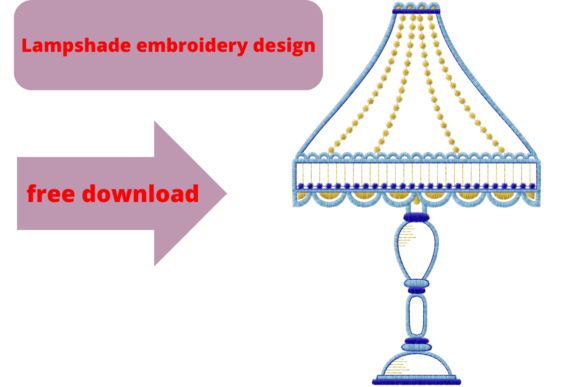
Lampshade Embroidery Design Review for Merch
As an experienced embroidery designer, I spend hours evaluating digital files not just for their aesthetic appeal, but for their viability in a commercial setting. When you are producing small business merch, every stitch counts toward your brand’s perceived value. Today, I am reviewing the Lampshade embroidery design, a file that promises to bring a touch of elegance and sophistication to your products. This review is specifically tailored for small business owners, Etsy sellers, apparel decorators, and crafters who need reliable design assets for branded patches, uniforms, and custom apparel.
First Impressions: Elegance Meets Classic Charm
The moment you load the Lampshade design into your digitizing software, its personality shines through. The description highlights a "charming lampshade motif" that showcases a classic style. From a professional standpoint, this immediately signals versatility. It is neither overly playful nor strictly corporate; instead, it strikes a balance that feels premium yet approachable. This makes it an excellent candidate for businesses that want to project professionalism without appearing stiff.
In the context of the Bedroom category, one might assume this design is limited to home textiles. However, as a designer, I see far greater potential. The silhouette of a lampshade is universally recognized and often associated with warmth, lighting, and cozy interiors. For a boutique hotel, a luxury bedding brand, or even a creative studio, this motif can serve as a subtle nod to comfort and style. The visual weight of the design suggests it will hold up well on various mediums, provided the execution is correct.
Commercial Viability: Where Lampshade Fits Best
When evaluating an embroidery file for commercial embroidery projects, we look for scalability and recognition. The Lampshade design excels in several key areas for small business product labels and branded items.
- Embroidered Patches: One of the most profitable applications for this design is creating iron-on or sew-on patches. Because the motif is self-contained, it translates beautifully onto fabric patches. These can be used by florists, bakeries, or handmade shops to brand their packaging or add a unique touch to customer gifts.
- Apron Embroidery: For cafes, boutiques, and culinary brands, aprons are mobile billboards. The Lampshade design offers enough detail to stand out but remains clean enough to look professional on staff uniforms. It adds a layer of sophistication that elevates the service experience.
- Tote Bag Design: Eco-friendly branding is huge right now. Placing this design on canvas tote bags creates a cohesive look for retail environments. The classic nature of the motif ensures it won’t feel dated quickly, making it a safe investment for long-term inventory.
- Cap Embroidery: While cap fronts can be tricky, a well-digitized Lampshade design can work if scaled appropriately. It serves as a distinctive logo accent for creative agencies or lifestyle brands looking to differentiate themselves from generic merchandise.
- Custom Apparel Accents: Beyond logos, this design works wonderfully as a sleeve detail or a back-of-neck accent on high-end t-shirts or hoodies. It adds a "handmade product" feel that resonates with customers who value artisanal quality.
Strategic Brand Identity and Customer Trust
Using a design like Lampshade does more than just decorate fabric; it communicates your brand identity. In a crowded marketplace, visual consistency is key to building customer trust. A sophisticated, well-executed embroidered patch signals attention to detail. When a customer sees a high-quality finish on a product, they subconsciously associate that quality with the rest of your offerings.
For handmade brands and Etsy sellers, this distinction is crucial. Buyers are often looking for the personal touch that mass-produced items lack. The Lampshade design, with its elegant lines, helps bridge the gap between handmade charm and professional polish. It enhances buyer engagement by making the product feel special and curated. Whether it is attached to a candle jar, a piece of jewelry box, or a garment, the design reinforces the idea that your business cares about aesthetics and presentation.
Design Assets and Visual Consistency
If your brand already uses warm tones, soft textures, or vintage-inspired graphics, the Lampshade design likely fits seamlessly into your existing library of design assets. It complements other elements that evoke coziness and light. By maintaining this visual language across different products—from tote bag design variations to apron embroidery—you create a recognizable brand ecosystem. This consistency reduces cognitive load for the consumer, making your products easier to remember and recommend.
Practical Designer Notes: Execution Matters
A beautiful design on screen can fail on fabric if technical details are overlooked. Here is my professional advice for integrating Lampshade into your production workflow.
- Test in Black and White: Before committing to thread colors, view the design in monochrome. This helps you assess the balance of positive and negative space. If the design looks cluttered in black and white, it may struggle with color contrast in production.
- Check Stitch Density: High stitch density can cause puckering, especially on lightweight fabrics or fabric texture types like linen. Ensure the digitizer has used appropriate underlay stitches to stabilize the fabric. If the density is too high, consider simplifying the design for smaller patches.
- Thread Color Contrast: Choose threads that pop against your base material. On dark uniforms, light metallics or bright pastels will ensure the Lampshade motif is visible. On light towels, deeper jewel tones may provide better definition.
- Hoop Size and Stability: Confirm the recommended hoop size before starting. Using the wrong stabilizer for your fabric type (e.g., cut-away for knits, tear-away for wovens) is critical. A poor choice here can ruin the shape of the lampshade, causing it to look distorted.
- Small Patch Scalability: If you plan to use this for tiny labels, test it at 50% scale. Fine details may disappear or merge together. If the design loses clarity, simplify the outlines or increase the spacing between elements.
- Create a Printable Mockup: Never guess how the final product will look. Use a printable mockup to visualize the design on actual items like caps or bags. This step saves money on wasted materials and helps secure client approval.
- Confirm Commercial Licensing: Always verify that you have the right to use this digital embroidery file for commercial purposes. Selling finished goods requires proper licensing to avoid legal issues.
Areas of Caution
While Lampshade is versatile, there are scenarios where caution is advised. Avoid using this design on highly curved surfaces without proper digitizing adjustments, as the perspective may look off. Be careful with textured fabrics, as the grain may obscure fine details. Additionally, if your brand requires intricate lettering alongside the lampshade, ensure the text remains legible at the intended size. For items that undergo frequent washing, such as staff aprons, reinforce the stitching density to prevent wear and tear over time.
Final Verdict
The Lampshade embroidery design is a strong addition to any designer’s toolkit for small business merch. Its blend of classic elegance and charming simplicity makes it suitable for a wide range of industries, from home goods to fashion accessories. By paying close attention to technical execution—stabilizer choice, thread contrast, and scale—you can transform this design into a powerful tool for enhancing your brand identity. Whether you are creating custom apparel or decorative accents, Lampshade offers the sophistication needed to elevate your products in the eyes of discerning customers.