The Second Christmas Embroidery File Review
First Impressions of The Second Christmas
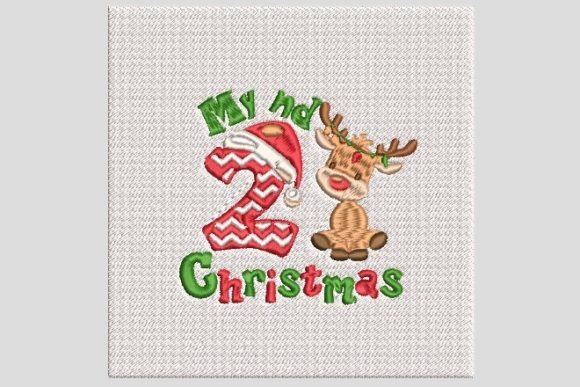
When I first opened The Second Christmas embroidery file, I was immediately drawn to its warm and nostalgic visual mood. The design exudes a sense of timeless charm with soft curves and balanced proportions that feel just right for holiday-themed projects. As an experienced embroidery designer, I look for files that offer both aesthetic appeal and technical flexibility, and this one checks those boxes.What Kind of Project Fits Best?
I found The Second Christmas to be especially well-suited for items like tote bags, sweatshirts, aprons, and even nursery decor. Its design language works beautifully on both soft apparel and home décor fabrics. For personalized gifts such as baby blankets or pillow covers, the elegance of the motif adds a touch of sophistication while still being clearly thematic for the season.Real-World Performance Across Products
I tested The Second Christmas on several real project types before recommending it for commercial use. Here’s what I observed:- Custom Apparel: On a cotton/spandex sweatshirt, the design stitched cleanly with minimal distortion. The stitch density was appropriate, and the lines held up well despite the fabric's stretch.
- Tote Bag Design: When applied to a canvas tote bag, the design retained its shape and clarity. The running stitch outlines added a nice dimension without pulling through the thick fabric.
- Embroidered Patch: Using a curved cap surface, the design adapted well to the round hoop format. It maintained its structure and didn’t require excessive resizing to fit the space.
- Apron & Pillow Covers: These were perfect for showcasing the satin stitch elements. The design looked polished and professional, elevating the handmade presentation significantly.
- Handmade Gifts: On a linen kitchen towel, the motif blended seamlessly with the fabric texture. It was a great choice for a seasonal gift item that needed visual appeal without overdoing it.
Practical Use Considerations
One thing I always consider when choosing an embroidery file is how it will perform under different conditions. Let’s break down some key factors with The Second Christmas in mind:Small Hoop Sizes: If you're planning to use this design on smaller products like patches or embroidered caps, keep in mind that not all sections may scale well. I recommend reviewing the design layout and checking if any parts can be resized or simplified for better performance in tight hoops.
Tiny Lettering: While there isn’t much text in the design, the small details are crisp enough to remain legible at a glance. That said, always inspect them after stitching, especially on dark fabrics where contrast might be reduced.
Dense Stitch Areas: There are portions of the design that utilize denser stitches, particularly around the central motif. These areas can sometimes cause puckering if not stabilized properly. I used a cutaway stabilizer for my test pieces, which worked well.
Textured Fabric: Textured materials like flannel or denim can affect how the design looks post-stitching. In my tests, the design still came out clean, but I did notice slight variations in stitch definition. A lighter stabilizer or adjusting stitch length slightly can help maintain sharpness.
Stretchy Fabrics: The design handles stretch reasonably well, but for custom apparel like t-shirts or leggings, I suggest using a stabilizer underneath and testing on a few samples to ensure the shape remains intact after washing.
Dark Fabric Compatibility: I ran a version of the design on black felt and found that the colors still showed up nicely. However, depending on your machine and thread type, you may want to try a light-colored background mockup alongside a dark one to assess visibility differences.
Curved Surfaces and Layered Details
Working with curved surfaces like baseball caps requires careful placement and adjustment. The layered elements in The Second Christmas—such as overlapping shapes or multi-color components—need to be reviewed individually to ensure they don’t shift or distort during stitching. I found the file to be well-organized, allowing for easy layer separation and editing if needed.Impact on Product Value and Branding
From a business perspective, The Second Christmas has the potential to add value to your offerings. Whether you're an Etsy seller or crafting handmade gifts, the design brings a cohesive, high-quality look that customers associate with professionalism and care.Technical Notes and Best Practices
Before jumping into production, here are a few practical steps I take when preparing to use The Second Christmas:- Test on Scrap Fabric: Always run a sample piece to check stitch behavior and adjust tension or stabilizer as needed.
- Check Thread Color Contrast: Ensure the thread colors chosen complement the base fabric and meet your visual goals for the finished product.
- Review Stitch Density: Some machines handle dense stitching better than others. Adjust settings based on your equipment and fabric type.
- Confirm Hoop Size: Double-check the required hoop size in the Creative Fabrica product details to avoid last-minute surprises.
- Compare Light and Dark Fabric Mockups: This helps visualize how the design will look in different contexts and aids in color selection.
- Use Proper Stabilizer: Especially important for stretchy or thin materials. A tear-away or cutaway stabilizer often makes all the difference.
- Inspect Small Details After Stitching: Check for misalignment or skipped stitches in intricate areas to guarantee a polished finish.
- Confirm Licensing Before Selling: Make sure you understand the Creative Fabrica license terms if you plan to sell the finished product.